
Laser Scar Removal
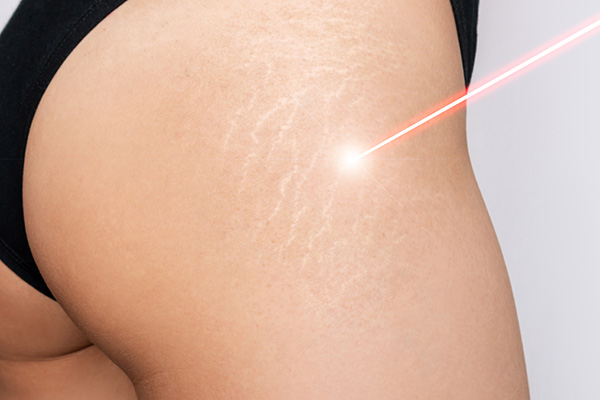
Discover the Benefits of Laser Scar Removal – Chelsea & Battersea Laser scar removal is a transformative procedure offering hope to those looking to minimise the appearance of scars. This advanced treatment, available in Chelsea and Battersea, London, uses state-of-the-art laser technology to improve skin texture and tone. Whether you’re seeking to address acne scars, surgical scars, or injury marks, this guide will explore why laser scar removal is a preferred choice for many. What is Laser Scar Removal? Laser scar removal is a non-invasive cosmetic procedure designed to reduce the visibility of scars by using laser technology. It works by targeting scar tissue, promoting the growth of new, healthy skin cells. This treatment is effective for various types of scars, including: Acne scars Surgical scars Stretch marks Burn scars The procedure is widely sought in Chelsea and Battersea, thanks to local clinics specialising in this cutting-edge technology. How Does Laser Scar Removal Work? The Technology Behind the Procedure Using focused laser beams, the treatment resurfaces the skin by removing damaged layers and stimulating collagen production. This process enhances skin elasticity and reduces discoloration. Types of Lasers Used in Scar Removal Clinics in Chelsea and Battersea offer several laser options, including: Fractional CO2 Lasers: Ideal for deeper scars. Pulsed-Dye Lasers (PDL): Effective for red or raised scars. Benefits of Laser Scar Removal in Chelsea and Battersea Residents of Chelsea and Battersea have access to some of the UK’s most reputable clinics for laser scar removal, offering a range of advantages: Personalised Treatments Clinics tailor the procedure to each patient’s needs, ensuring optimal results. Minimally Invasive with Quick Recovery Unlike surgical options, laser treatments require minimal downtime, allowing you to resume daily activities. Long-Lasting Results Regular sessions enhance collagen levels, leading to sustained improvements in skin appearance. Long-Term Results and Maintenance After undergoing laser scar removal, it’s crucial to follow a maintenance routine for the best outcomes: Sun Protection Wear sunscreen to protect treated areas from UV damage. Hydration and Skincare Use moisturisers recommended by your specialist in Chelsea or Battersea. *Most patients notice significant improvement within 3–6 sessions, depending on the scar’s severity. Frequently Asked Questions about Laser Scar Removal Q1: Is laser scar removal suitable for all skin types? Yes, laser scar removal is generally suitable for most skin types. However, the type of laser and treatment plan may vary based on individual skin tones and scar characteristics. Consult with a specialist in Chelsea or Battersea for a personalised assessment. Q2: How many sessions are required for visible results? Most patients see significant improvements after 3–6 sessions, but the exact number of treatments depends on the scar’s size, type, and depth. Q3: Are there any side effects of laser scar removal? Common side effects include mild redness, swelling, and sensitivity in the treated area, which typically subside within a few days. Clinics in Chelsea and Battersea provide aftercare instructions to minimize discomfort. Q4: How long do results from laser scar removal last? Results are long-lasting, especially with proper skin care and maintenance. New collagen production ensures continued skin improvement over time. Q5: Does the procedure hurt? Laser scar removal is minimally painful, often described as a mild stinging sensation. Most clinics offer numbing creams to ensure patient comfort during the session. Q6: Can laser scar removal treat all types of scars? Yes, it is effective for a range of scars, including acne scars, surgical scars, stretch marks, and burn scars. However, the treatment’s success depends on the scar’s age and severity. Schedule Your Laser Scar Removal Treatment Today Don’t let scars hold you back. Schedule your laser scar removal treatment at a trusted clinic in Chelsea or Battersea today. Clinics like Derm Design Clinic offer advanced laser technology, personalised care, and expert guidance to help you achieve smoother, clearer skin. Use trusted platforms to learn more about your options and book your appointment: British Association of Dermatologists NHS Choices DermNet NZ Take the first step towards confidence and radiant skin by prioritising your laser scar removal treatment. Contact our experienced team at Derm Design Clinic and start your journey today! Get in touch with Derm Design today!
Mole Checks and Skin Cancer Screening in Chelsea and Battersea
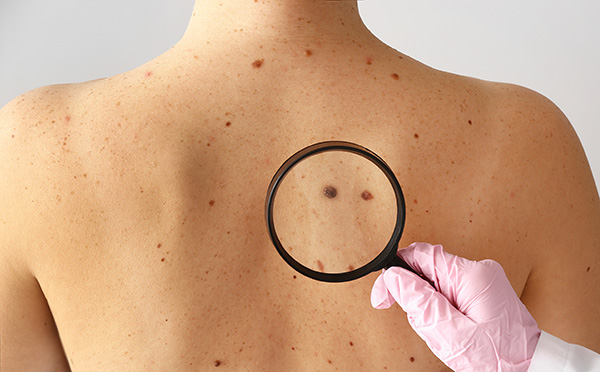
Mole Checks and Skin Cancer Screening in Chelsea and Battersea Why Regular Mole Checks Are Crucial for Skin Health Regular mole checks are vital to maintaining healthy skin and preventing skin cancer. Early detection through skin cancer screening greatly improves the likelihood of successful treatment. Clinics in Chelsea and Battersea, like The Mole Clinic, specialise in identifying signs of melanoma and other cancers, ensuring patients receive timely and accurate diagnoses. If you’ve wondered “when to get moles checked”, experts recommend at least an annual skin check for cancer, especially if you have a high number of moles, fair skin, or a family history of melanoma. Search for “check for skin cancer near me” to find trusted clinics in your area. Understanding When to Get Moles Checked Signs That a Mole Needs Professional Attention Knowing when to get moles checked can save your life. Look out for these warning signs: Changes in Size or Shape: Rapid growth or uneven borders. Unusual Colours: Moles with multiple shades or a dark appearance. New Symptoms: Itching, bleeding, or discomfort in the area. Using the ABCDE rule (Asymmetry, Border, Colour, Diameter, Evolving) can help you identify moles that may need professional evaluation. Schedule a skin cancer check at The Mole Clinic Chelsea or Battersea to ensure peace of mind. Who Should Get Regular Skin Checks? Anyone can develop skin cancer, but some people are at greater risk: Those with a history of tanning bed use. People with fair skin or light-coloured eyes. Individuals with a family history of melanoma. Regular visits to a mole clinic for a skin check for cancer are especially crucial for high-risk individuals. Finding a Trusted Mole Clinic in Chelsea and Battersea When searching for a “mole clinic near me”, look for facilities that offer: Experienced Dermatologists: Ensure they are trained in skin cancer checks and mole mapping. Advanced Equipment: Tools like dermatoscopes and digital mole mapping enhance diagnostic accuracy. Positive Reviews: Check platforms like Skin Cancer Foundation for recommendations. Clinics like The Mole Clinic in Chelsea and Battersea are well-regarded for their comprehensive care, from mole checks to personalised skin cancer screening. What Happens During a Skin Cancer Check A skin cancer check is a non-invasive and straightforward process: Initial Consultation: The dermatologist discusses your medical history, including sun exposure and any family history of skin cancer. Full-Body Examination: Every mole and lesion is examined closely. Detailed Analysis: Suspicious moles are assessed using dermatoscopic technology. Biopsy (If Required): Moles that show signs of cancer are sampled for laboratory testing. Clinics like The Mole Clinic in Chelsea offer expert evaluations and same-day assessments to help you stay proactive about your skin health. Skin Cancer Checks: Prevention and Early Detection Why Skin Cancer Checks Matter Skin cancer is one of the most common cancers, but it is also highly treatable when caught early. Regular skin checks for cancer can identify problems before they become severe. Whether you are in Battersea or Chelsea, finding a reliable mole clinic ensures access to timely care. Tips to Protect Your Skin Prevention is key to reducing your risk of skin cancer: Use sunscreen with SPF 30+ daily. Avoid tanning beds and excessive sun exposure. Conduct self-checks regularly and consult a dermatologist if you notice changes. The Mole Clinic Experience: Personalised Care Near You Comprehensive Services The Mole Clinic, located in Chelsea and near Battersea, offers: Full-body skin checks for cancer. Digital mole mapping to track changes over time. Same-day results for biopsies when needed. Why Choose a Local Mole Clinic? Local clinics like The Mole Clinic Chelsea or Battersea Skin Cancer Center provide convenient access to care, saving time and ensuring follow-up visits are manageable. Search for “check for skin cancer Chelsea” or “Battersea mole assessment” to find top-rated providers. Frequently Asked Questions About Mole Checks Q1: When should I schedule my first skin cancer check?Start early, especially if you have risk factors. Clinics like The Mole Clinic Chelsea recommend annual skin checks for cancer starting in your 20s or earlier if you notice unusual moles. Q2: Is mole removal part of a skin cancer check?Not always. If a mole looks suspicious, your dermatologist may perform a biopsy during the mole check, but removal is not routine unless required for diagnosis or treatment. Q3: Are mole checks painful?No, the process is entirely painless. Even a biopsy involves minimal discomfort as local anesthesia is applied. Q4: Can I assess my moles at home?While self-checks are valuable, professional skin cancer checks provide the expertise and technology needed for accurate assessment. Q5: Are mole checks covered by insurance?Many insurance plans include skin checks for cancer as part of preventive care. Confirm with your provider and the clinic. Q6: How can I prepare for my mole check?Avoid wearing makeup or nail polish, and wear loose clothing. Note any recent changes in your moles to share with your dermatologist. Schedule Your Skin Check for Cancer Today Don’t wait until it’s too late. Schedule a skin check for cancer at a trusted clinic in Chelsea or Battersea today. Clinics like The Mole Clinic offer expert care, advanced diagnostic tools, and peace of mind. Use trusted platforms like: Skin Cancer Foundation NHS Choices DermNet NZ Protect your skin and prioritise your health with a proactive skin cancer check. Get in touch with Derm Design today!
Understanding and Treating Keloid Scars
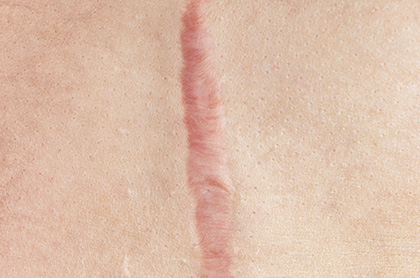
Keloid Scar Removal Treatment in Chelsea & Battersea Scars are meaningful and narrate the challenges we’ve overcome. Nonetheless, not all physical reminders are welcome, particularly if they affect one’s self-esteem. Achieving clear skin and regaining body confidence sometimes necessitates removing these marks, making it seem as though they were never there. Keloids represent the more troublesome types of scars, developing through genetics or from injuries like burns, accidents, or even minor cuts and piercings. This guide delves into the various treatments available for keloids, offering effective strategies for those seeking to eliminate these persistent scars. Understanding Keloids Keloids are raised scar tissues that extend beyond the original injury site, forming due to excessive collagen production during the healing process. Common triggers include piercings, burns, and other skin traumas. Is Permanent Removal Possible? Keloids are stubborn and typically don’t disappear on their own. Permanent removal is challenging but feasible with the right treatments. Home Remedies for Keloid Scars Many attempt quick fixes with ingredients like garlic, onion, or honey. However, such remedies are generally ineffective against keloids and can irritate the skin, potentially worsening the condition. Professional Treatments for Keloids Several medical interventions offer hope for those battling keloids: Retinoid Cream: This vitamin A derivative can help reduce keloid size when used as prescribed. Silicone Gel: Applied topically, silicone gel sheets help flatten keloids effectively. Surgical Removal: Surgical techniques remove the keloid but require follow-up treatments to prevent recurrence. Steroid Injections: These injections help flatten keloids and alleviate discomfort. Radiation Therapy: Used post-surgery, radiation can significantly reduce the likelihood of a keloid returning. Pressure Treatment: Applying pressure post-surgery can also prevent keloids from coming back. Alternative Non-Surgical Options Cryotherapy: Freezes the keloid, reducing its size. Corticosteroids: Help shrink keloids over time. Laser Treatment: Can refine the scar’s appearance by reducing redness and smoothness. Consulting a Specialist Understanding and Treating Keloid Scars is one of our clinics area of expertise. If you’re dealing with a keloid scar, consult with specialists at a dedicated clinic like the London Keloid Scar Clinic. They offer tailored treatments based on your unique situation and the characteristics of your scar. Final Thoughts While perfection may be unattainable, improving your skin’s appearance significantly is possible. Don’t let a keloid scar hold you back from feeling confident in your skin. Explore the latest treatments to restore your skin’s natural appearance. Remember, the journey to reclaiming your skin starts with a consultation. Take that step towards a scar-free life today!
What is Laser Scar Treatment? Unveiling the Path to Smoother Skin
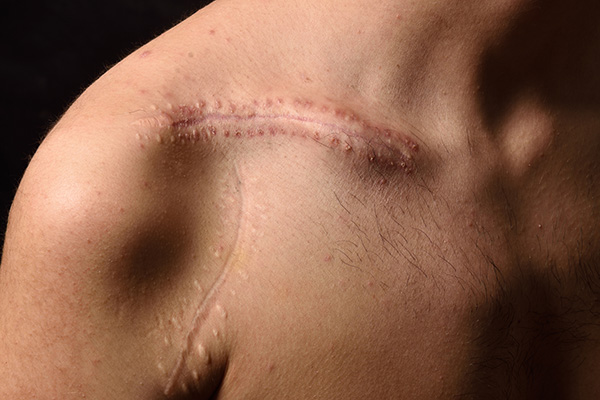
What is Laser Scar Treatment In the pursuit of smooth, flawless skin, scars can often feel like an insurmountable obstacle. However, advancements in dermatological treatments have brought a highly effective solution to the forefront: laser treatment for scars. This innovative approach not only promises significant improvements in the appearance of scars but also enhances the overall health of the skin. In this comprehensive guide, we’ll dive deep into how laser treatment works, the types of scars it can address, and what you can expect from the procedure. Understanding Laser Treatment for Scars Laser treatments have revolutionised the approach to scar reduction, offering a sophisticated method to minimise the appearance of various types of scars. However, for optimal results, it’s often recommended to combine laser therapy with steroid injections, especially in the treatment of certain scar types like keloids and hypertrophic scars. This combination approach leverages the unique benefits of both treatments to achieve the best possible outcome. Steroid Injections: Enhancing Laser Treatment Outcomes Steroid injections, specifically corticosteroids, are known for their potent anti-inflammatory properties. When used in the context of scar treatment, they can effectively reduce the size, thickness, and discomfort associated with raised scars. Steroids work by breaking down the excess collagen fibers that contribute to the scar’s raised appearance. For a greater understanding of how steriods are used and the effect they have during scar treatment, vist National Library of Medicine. Types of Scars Treatable with Lasers Laser therapy is versatile, capable of addressing a wide range of scars, including: Acne Scars: Acne scars are the aftermath of severe acne, presenting in various forms such as ice pick scars, rolling scars, and boxcar scars. Laser treatments like fractional laser therapy can penetrate deep into the layers of the skin, stimulating collagen production and skin renewal. This process helps to smooth out the texture and reduce the depth of acne scars, making them less noticeable. Surgical Scars: Surgical scars result from incisions in the skin during medical procedures. These scars can vary in size and appearance, depending on the nature of the surgery and the individual’s healing process. Laser treatment for surgical scars works by removing the top layers of scar tissue and encouraging the growth of new, healthy skin. Over time, this can make the scars softer, less raised, and more consistent with the surrounding skin tone. Traumatic Scars: Traumatic scars are formed due to injuries such as cuts, burns, or abrasions. Depending on the injury’s severity and location, these scars can be particularly noticeable and disfiguring. Laser treatments can effectively improve the appearance of traumatic scars by reducing their redness, smoothing their texture, and blending them more seamlessly with the surrounding skin. Keloid Scars: Keloid scars are thick, puckered, itchy clusters of scar tissue that grow beyond the edges of the wound or incision. They are more common in people with darker skin and can be caused by surgery, acne, piercings, tattoos, or even minor scratches. Laser for keloid scars typically involves the use of fractionated laser technology to target and remove the excess scar tissue while minimising damage to the surrounding skin. It can also help reduce the scar’s redness and discomfort. For a deeper dive into Keloids visit National Library of Medicin Hypertrophic Scars: Hypertrophic scars are raised scars that are similar to keloids but don’t grow beyond the boundary of the original wound. They can be red, thick, and raised initially, becoming darker and flatter over time. Lasers can effectively treat hypertrophic scars by reducing their thickness and improving their coloration, making them less noticeable against the skin. Discover the difference between Keloid and Hypertrophic scars Stretch Marks: Stretch marks, or striae, are a form of scarring on the skin with an off-color hue, occurring due to tearing of the dermis during periods of rapid growth or weight changes. While challenging to treat, certain laser treatments can significantly improve the appearance of stretch marks. The laser stimulates collagen and elastin production, essential for healthy skin, helping to fade the stretch marks and improve skin texture. The Procedure: What to Expect Laser treatment has minimal downtime. A dermatologist may apply a topical anesthetic to reduce discomfort. Sessions last from 30 minutes to an hour, depending on the scar’s size and type. Patients can expect redness, swelling, and a sunburn-like sensation after laser and steroid treatments. These effects are temporary and typically fade within a few days. Steroid injections may cause temporary skin thinning or lightening at the injection site. Rarely, small indentations at the injection sites may appear but usually heal over time. The treatment requires multiple sessions for full benefits, with each one improving the scar’s appearance more noticeably. Laser therapy and steroid injections together target scar tissue and inflammation more effectively. Dermatologists advise patients to follow care instructions closely for the best healing. This includes avoiding sunlight, using recommended skincare products, and attending follow-up appointments to adjust treatments as needed.